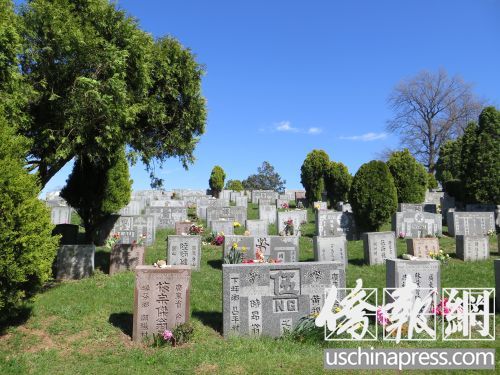
The QingMing festival is generally on the 3rd month of the lunar year. One of the most important traditions is to go to the grave. Chinese people have traditions of respecting the elderly and honoring dead ancestors. Every day of the festival, families go to sweep the graves and add new things. They sometimes put food in front of the grave for their ancestors and even burn paper money. The funeral tradition has changed a lot recently. After the burial. There are less and less tombs in the field. Sweeping is still an important tradition. Many people will always miss their ancestors in many ways, and go to the countryside.
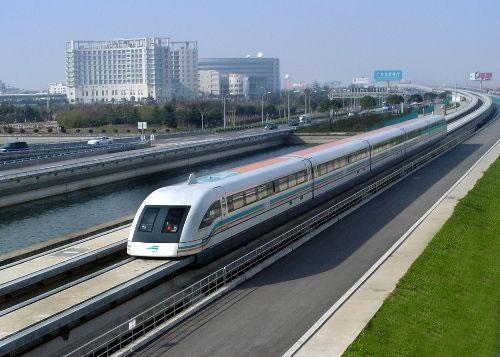
Comments are also made about Shanghai’s progress as an international metropolis, hosting a great number of skyscrapers and foreign companies, as well as an extensive modern transport network–even including a magnetically levitated (maglev) train. This has drawn people from around China and around the world to China, especially around the Spring Festival. It is said that the maglev train in Shanghai is the first commercially available in the world, marking a huge achievement for Shanghai. The incredible speed and low height of the train, coupled with its relative uniqueness, make it an exciting part of a visit to Shanghai for many tourists. Indeed, an exhibition at the Longyang Road Station on how maglev trains work and how they are so fast remains a popular attraction for many people visiting Shanghai. Ultimately, Shanghai serves a very important role to China, as an economic capital, a vibrant never-sleeping metropolis which represents China on the global stage.
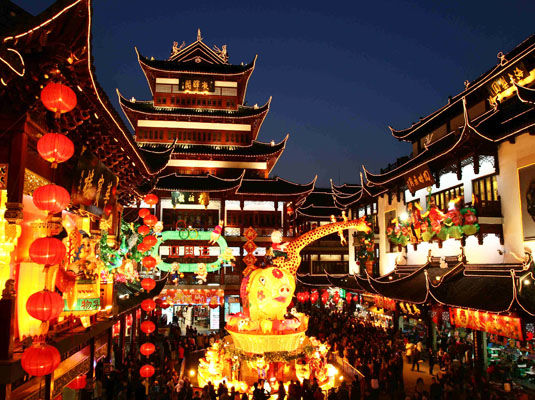
Shanghai’s spring festival can also be celebrated around Chenghuang Temple, where tons of decorations celebrating the zodiac sign of the approaching year are put up. This temple is another popular spot with tourists, and hosts beautiful and festive scenery. All of these major festivals and hotspots seem to indicate that Shanghai’s people are embracing traditional Chinese culture around holidays and are keen to continue to celebrate using these ancient traditions.
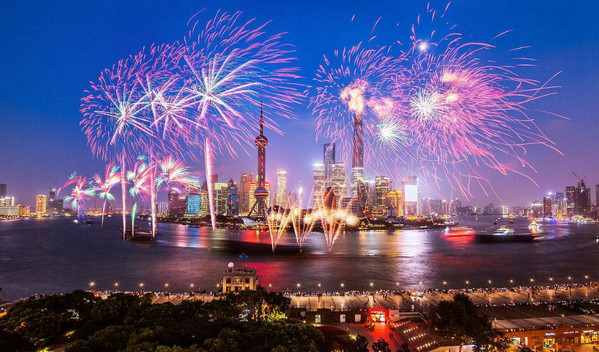
This text makes use of a moderator, a voiceover/narrator, and an interviewee. The moderator emphasizes how accommodating Shanghai is as a Chinese holiday destination, citing the removal of a ban on fireworks allowing family members to reunite in a festive atmosphere. Follow up by the narrator continues to emphasize the importance of these fireworks to making a truly celebratory Spring Festival not only possible, but inevitable. He also highlights that it is easily comparable with the celebrations put on in rural areas where fireworks are typically less restricted. The narrator goes on to highlight that in contrast with other cities that have reduced the grandeur and spectacle associated with the Chinese New Year in particular, Shanghai’s open atmosphere to fireworks, thriving cultural performances, and the ability to practice common traditions make it a place of great joy during celebrations. Longhua Temple is a particularly common place in Shanghai for people to go to pray and take part in festivities. A tree in front of Longhua Temple is often host to a number of red ribbons from people all over, who leave the ribbons with wishes written on them in the hopes that the New Year will bring these blessings.
There are many festivals in China, but the Chinese have their favorites. Some of the most popular festivals include the Spring Festival, Lantern Festival, Mid-Autumn Festival, Qingming Festival, and Dragon Boat Festival. All of these festivals have their own meaning and traditions, which is what makes them all so special to the Chinese.
One of the more popular and jovial festivals is the Spring festival. This festival falls on the first day of the first month of the lunar calendar. The coming of spring and the return of nice weather are celebrated during this festival. Some of the more traditional customs have faded away in modern days, but there are still plenty of traditions that are imperative to make a complete and true Spring Festival. The first is the New Year’s Eve reunion dinner that is shared with family and sometimes friends. The next morning Chinese people usually eat dumplings as they call or visit with their friends and family to wish them good luck in the new year. Gift giving is also very customary during the Spring Festival and the most common and now traditional gift is money given in a red envelope.
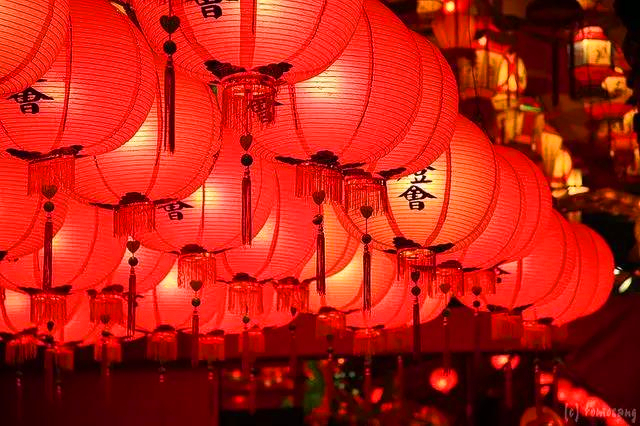
The next festival is just fourteen days later and that is the Lantern Festival. During this holiday many Chinese people eat what is known as tangyaun, which is a glutenous rice ball. The main activity of the Lantern Festival is watching laterns being released into the night sky. At these events there are many other things going on as well, like singing, dancing, dancing dragons, visiting temple fairs, etc..
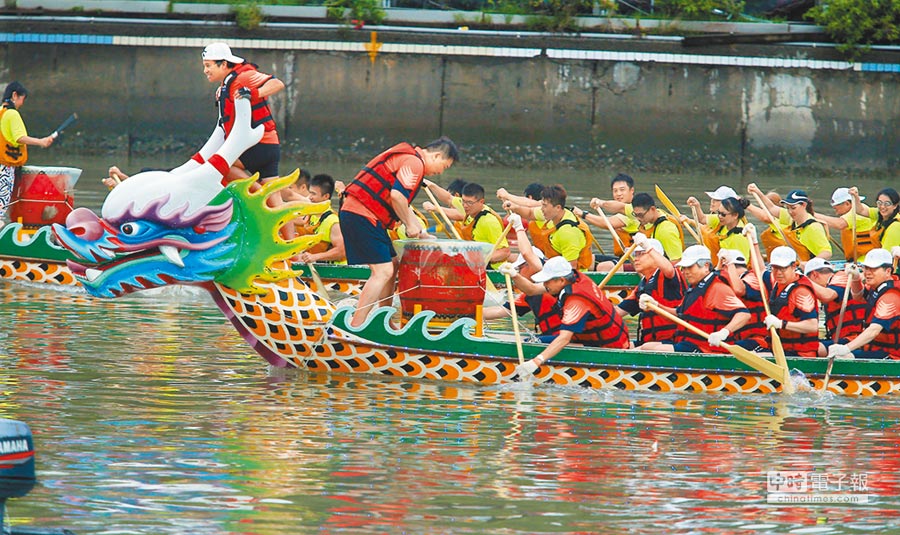
The Dragon Boat festival is another popular festival in China, but the orgins are not completely known. Most commonly people believe it is in memory of the patriotic Chinese poet Qu Yuan. On this day, the fifth day of May, the Chinese often race dragon boats and eat palm seeds.
Key Words:
种用糯米粉做成的小圆球 – Zhǒng yòng nuòmǐ fěn zuò chéng de xiǎo yuán qiú – glutinous rice ball – Popularly eaten during the lantern festival
 中国节日
中国节日 